

Learn how to develop an Investment Policy Statement (IPS), master asset allocation strategies, and analyze portfolio risk like a professional portfolio manager – core knowledge for CFA Level III at Clever Academy with instructor Đồng Việt Dũng.
1. Investment Policy Statement (IPS) – The Foundation of Every Investment Portfolio
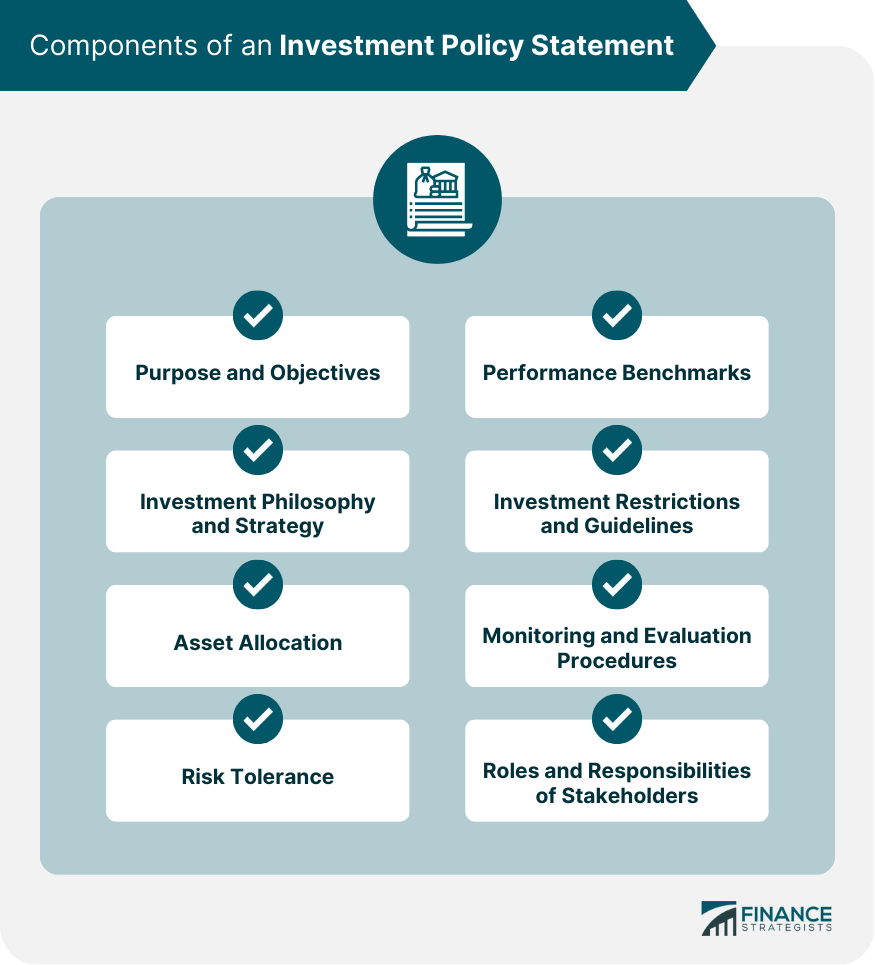
In the world of professional investing, Investment Policy Statement (IPS) is a strategic document that clearly outlines investment objectives, return expectations, risk tolerance, and investment constraints of an individual or organization.
This is a core topic in CFA Level III, and it is also a critical skill that every professional portfolio manager must master.
At Clever Academy, instructor Đồng Việt Dũng – who has completed CFA Level III – emphasizes:
"IPS is the compass for every investment decision. If you can write a clear IPS, you've completed 50% of a portfolio manager's job."
2. Basic Structure of an IPS
A standard IPS includes the following components:
a. Investment Objectives
-
Expected Return: What level of asset growth does the investor desire?
-
Risk Tolerance: The investor's ability to withstand market volatility or temporary losses.
Example: If an individual investor aims for a 7% annual return but has moderate risk tolerance, the portfolio should be balanced between equities and bonds.
b. Investment Constraints
Including:
-
Time Horizon
-
Liquidity
-
Legal & Tax Considerations
-
Unique Circumstances
In the CFA exam, candidates often must identify each of these factors in specific scenarios – a skill thoroughly developed at Clever Academy through simulated IPS practice exercises.
3. From IPS to Asset Allocation Strategy
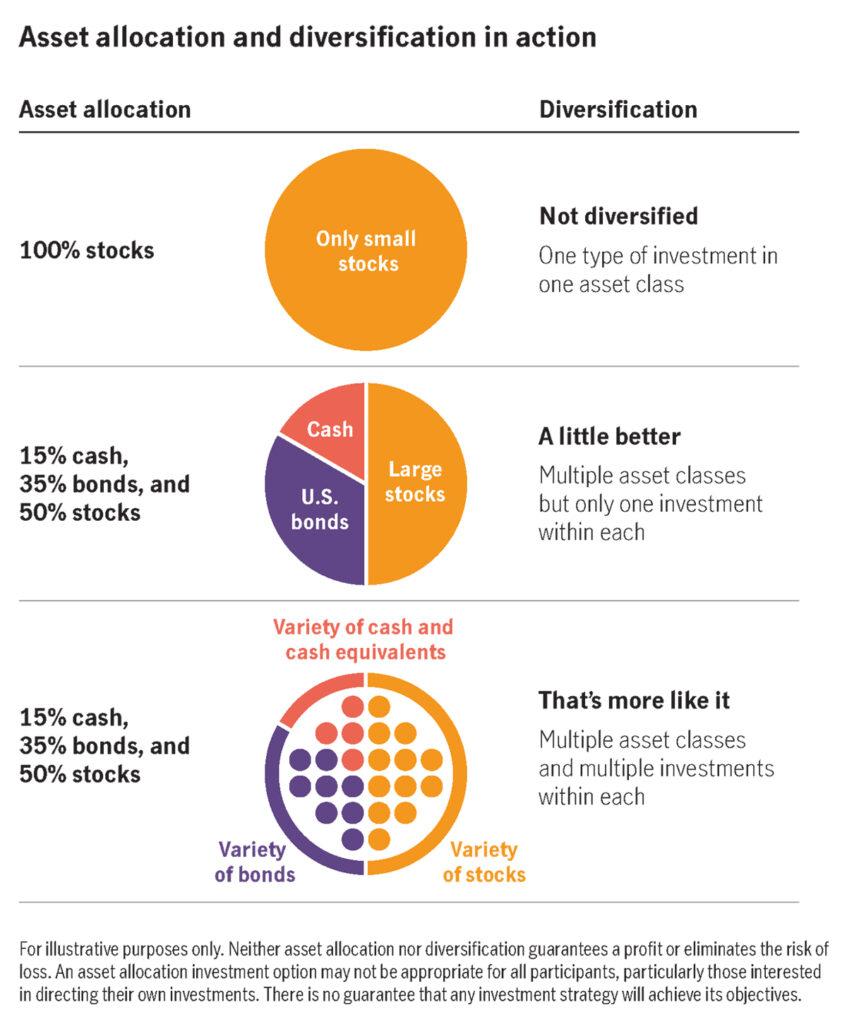
After finalizing the IPS, the next step is to develop an asset allocation strategy – deciding the percentage allocation to asset classes such as equities, bonds, real estate, commodities, or cash.
a. Strategic Asset Allocation
Based on expected return and target risk documented in the IPS.
Examples:
-
Young investor with growth objectives → 70% equities, 25% bonds, 5% cash.
-
Investor near retirement → 40% equities, 50% bonds, 10% cash.
b. Tactical Asset Allocation
Involves temporary adjustments when market conditions change.
Example: Reducing equity allocation during economic downturns, increasing bonds or gold.
In Clever Academy's CFA Level III course, students work through real-world case studies:
-
Building a portfolio from client data
-
Analyzing portfolio performance over time
-
Evaluating the impact of risk changes on asset allocation
4. Risk Analysis – The Art of Balancing Returns and Safety
No return is free – every investment portfolio comes with risk.
In CFA Level III, the "Risk Management" section teaches students to measure, analyze, and control portfolio risk using professional tools:
a. Risk Measurement
-
Standard Deviation: Measures return volatility.
-
Beta: Measures systematic market risk.
-
Value at Risk (VaR): Estimates the maximum potential loss at a given confidence level.
b. Multi-dimensional Risk Analysis
Instructor Đồng Việt Dũng guides students to view risk from multiple perspectives – systematic risk, unsystematic risk, interest rate risk, credit risk, and behavioral risk.
"A good portfolio is not one without risk – but one where risk is well understood and reasonably controlled."
5. Real-World Case Studies at Clever Academy
To ensure students develop expertise like true professionals, Clever Academy applies a Learning by Doing approach:
Sample Scenario:
-
35-year-old investor with stable income, planning to retire in 20 years.
-
Assets: 1 billion VND, moderate risk tolerance.
-
Liquidity needs: Low.
Student Requirements:
-
Create a comprehensive Investment Policy Statement (IPS).
-
Design an appropriate asset allocation portfolio.
-
Analyze portfolio risk using Sharpe Ratio, VaR, and other metrics.
-
Write a "Recommendation & Justification" section like the actual CFA essay exam.
This assignment is graded directly by instructor Đồng Việt Dũng with detailed feedback – helping students understand how actual exam graders evaluate essay responses.
6. Why IPS – Asset Allocation – Risk Analysis Skills Are Critical in CFA Level III
-
Represents the largest portion of CFA Level III exam (Portfolio Management & Wealth Planning).
-
Is a required essay component, testing the ability to apply theory to practice.
-
Develops students' professional investment mindset, not just exam-passing knowledge.
At Clever Academy, students receive:
-
Actual past year essay exam questions.
-
Hands-on portfolio development practice for different client types (individual, institutional).
-
Quantitative and qualitative feedback on each section of their work.
7. Long-Term Benefits – Not Just for the Exam, But for Your Career
After completing the course, students can:
-
Apply IPS methodology to develop personal or client investment plans.
-
Optimize asset allocation based on real-world risk and return objectives.
-
Analyze portfolio risk and provide strategic investment recommendations.
These are the exact skills required in roles like Portfolio Manager, Wealth Advisor, and Investment Consultant.
CFA Level III is therefore not merely an exam – it's a transition from student to professional financial practitioner.
8. Study CFA Level III at Clever Academy – Your Path to Professional Investment Expertise
At Clever Academy, you will:
-
Learn directly from instructor Đồng Việt Dũng, who has passed Level III.
-
Master IPS – Asset Allocation – Risk Analysis through realistic simulation exercises.
-
Participate in workshops & mock essay tests with detailed feedback.
-
Receive personalized learning support for your 2025 exam preparation.
9. Enroll Now – Begin Your Professional CFA Journey
👉 Explore Clever Academy's CFA Course Details
Or contact us for a free consultation on study plans, exam timing, and highly effective preparation methods.