
In the process of financial analysis and business valuation, especially for candidates preparing for the CFA exam, understanding the difference between Capital Expenditures (CapEx) and Operational Expenditures (OpEx) is extremely important. These are two basic types of expenses that directly affect a company's financial statements, cash flow, and profitability. Clever Academy will help you clarify these concepts based on the visual materials below.
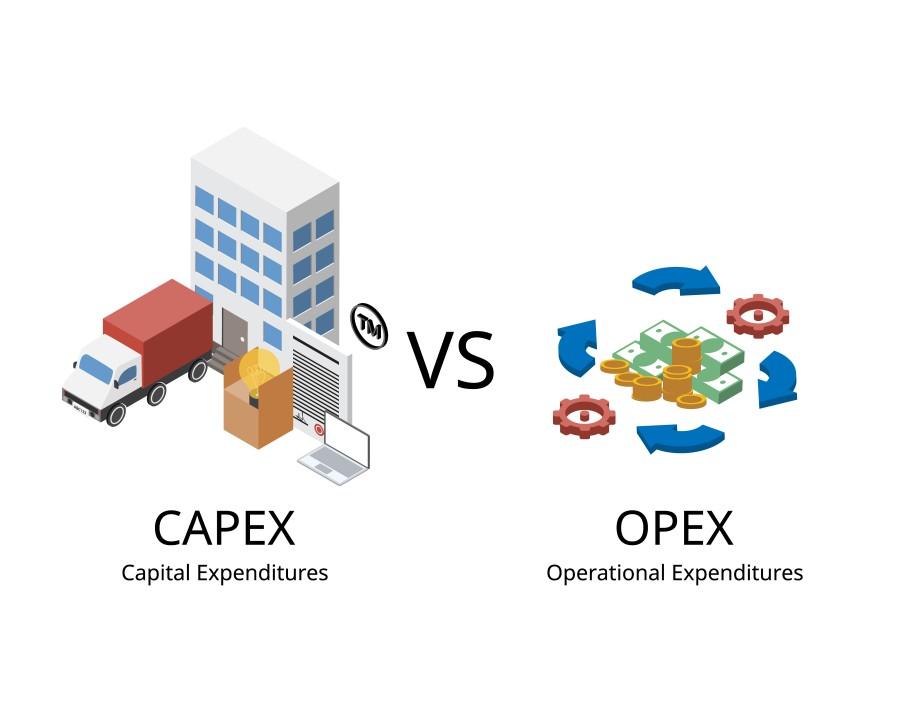
1. Capital Expenditures (CapEx): Investing in the Future
- Definition: CapEx refers to expenses related to purchasing, maintaining, or improving fixed assets that a business expects to use in the long term. These assets typically have a useful life of more than one year and have the potential to generate revenue in the future. CapEx can be depreciated over time.
- Advantages (Pros):
- Provides long-term benefits to the business by increasing productivity, efficiency, and competitiveness.
- Helps build the company's asset base, creating a foundation for generating additional income in the future.
- Disadvantages (Cons):
- Requires substantial upfront costs, which have a major impact on the business's initial cash flow.
- No guarantee that the investment will deliver the expected profit results.
- Examples:
- Building a new factory
- Purchasing machinery and equipment
- Purchasing software licenses for use over multiple years
2. Operational Expenditures (OpEx): Costs for Day-to-Day Operations
- Definition: OpEx refers to recurring expenses related to managing day-to-day business operations. These are short-term expenses, typically consumed within one financial year.
- Advantages (Pros):
- Easier to manage because they typically do not require large upfront payments.
- Flexible adjustment of spending levels to respond to market changes or customer needs.
- Disadvantages (Cons):
- Tend to increase over time due to inflation.
- Do not provide long-term benefits like CapEx in terms of increasing productivity, efficiency, and competitiveness.
- Examples:
- Employee salaries
- Office rent
- Office supplies
- Advertising and marketing expenses
Importance for CFA Candidates:
Understanding the difference between CapEx and OpEx is a critical foundation for many aspects of the CFA curriculum:
- Financial Statement Analysis: The classification of expenses affects financial metrics such as profit, profit margin, and cash flow. CapEx is capitalized and shown on the Balance Sheet, then gradually allocated to expenses through depreciation on the Income Statement. OpEx is recognized directly as expenses in the period.
- Financial Forecasting: Forecasting CapEx and OpEx requires an understanding of the company's development strategy, investment plans, and day-to-day business operations.
- Business Valuation: Different valuation models (for example, DCF-Discounted Cash Flow) treat CapEx and OpEx differently when determining Free Cash Flow.
- Industry Analysis: The characteristics of CapEx and OpEx ratios may differ across industries, reflecting the degree of capital intensity and the typical business model.
Conclusion:
Mastering the concepts and differences between CapEx and OpEx is an important step for CFA candidates to be able to analyze finances comprehensively and make informed investment decisions. Clever Academy hopes the above explanations have helped you reinforce your knowledge on this topic.
Do you want to acquire in-depth knowledge and prepare for the CFA exam effectively?
Discover high-quality CFA courses at Clever Academy now:
👉 Clever Academy CFA course information: https://cleveracademy.vn/courses/cfa/
Clever Academy – Empowering Your Financial Career!